Kinza Hashmi Mohlat With Sami Khan: Her Role, Story and Acting Journey
Introduction
By Mahnoor | 21-09-2026

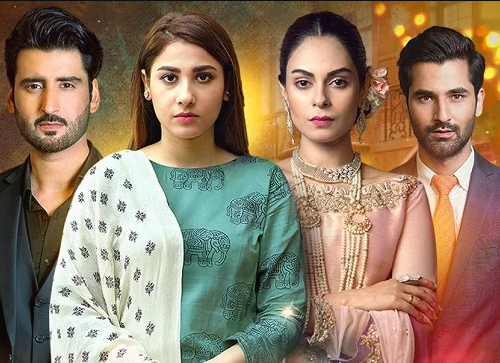
Kinza Hashmi has become one of the well-known actresses on Pakistani TV. Over the years, she has acted in dramas where she could try out different roles, feelings, and stories. One show that gave her another chance to move away from the usual good-girl role was Mohlat, where she worked with Sami Khan.
The drama got attention because it focused on family issues and had a strong cast with many experienced actors. For Kinza Hashmi, Mohlat was also an interesting show because she played a character with negative qualities. Instead of playing a typical innocent lead, she got to explore a more complex personality.
Her role in Mohlat also made viewers curious to learn more about her character and her link to Sami Khan. While promo interviews put the actors in the spotlight, Kinza’s own thoughts about the drama showed something important about how she picks her roles: she likes characters that push her instead of keeping her stuck in a predictable image.
Kinza Hashmi in Mohlat
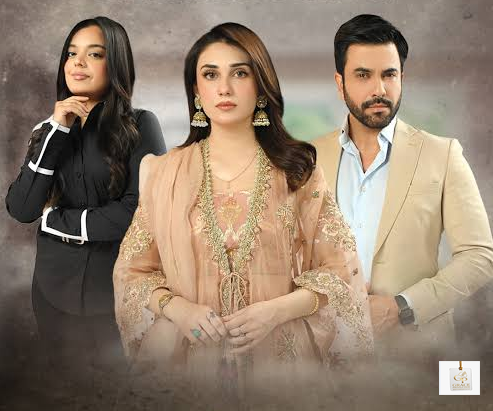
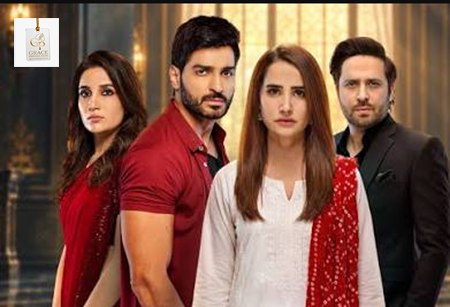
Mohlat was a Pakistani TV show written by Samira Fazal. Sami Khan played the main male character, and Kinza Hashmi was one of the key actors. The show talked about relationships, family expectations, and the problems that can happen when people’s own choices go against what their family wants.
For Kinza, this project was different from many usual TV roles. Her character had bad traits, which let her show jealousy, conflict, and emotional stress instead of just relying on the audience feeling sorry for her.
This kind of role can be very interesting for an actor because the character doesn’t have to be fully good or fully bad. Instead, the actor needs to understand why the character acts that way and show those feelings in a believable way.
Kinza has talked before about liking negative characters. While promoting Mohlat, she said she enjoyed playing these roles because they gave her more room to try new things in her acting.
What Was Kinza Hashmi’s Experience Like Working With Sami Khan?
Kinza Hashmi and Sami Khan acted together in Mohlat, making one of the drama’s important actor teams. Sami Khan was already well-known in Pakistani TV and films, while Kinza was growing her name in various TV shows.
Their team-up let Kinza work with another experienced main actor. Sami had acted in many TV dramas and films, giving him strong experience with different roles and projects. However, we should separate known facts from guesses.
Public reports about the Mohlat promotion don’t show a detailed direct quote from Kinza Hashmi sharing a specific story or giving a long account of her personal experience with Sami Khan.
So, instead of inventing words for her, it’s true to say that Mohlat brought them together as co-stars and became a key project in Kinza’s TV career.
Their pairing also gave viewers a chance to see Kinza in a dramatic role next to a performer from an older, more established time of Pakistani entertainment.

Kinza Hashmi Enjoyed Playing a Negative Character
One of the most interesting things about Kinza’s role in Mohlat was how she felt about playing bad characters.
TV viewers usually know actresses from romantic or emotional parts. But Kinza has shown she wants to go beyond that. She has played characters with gray and negative sides, which lets her show a different part of her acting skills.
When talking about her role in Mohlat, Kinza said she was excited to play a bad character. She didn’t want to keep playing women whose stories were only about sadness and pain. For her, a bad character could be more exciting because it let her try out different feelings.
That choice made her role in Mohlat stand out from just being a simple romantic heroine.
A bad character also gives an actor more room to try new expressions and body movements. Small changes in voice or face can show jealousy, anger, insecurity, or trickery. These little details can make a tough character seem real.
Kinza Hashmi and Her Acting Choices
Kinza Hashmi’s acting career has been shaped by her openness to trying many kinds of roles. Since she first started working in television, she has acted in dramas from many different genres.
She hasn’t stuck to just one type of character. Some of her roles were emotional and romantic, while others needed her to show more complicated personalities.
This mix has helped her stay well-known among TV audiences. Every new show gives her another chance to display a different side of her acting.
Her thoughts on negative roles also show that she sees acting as more than just being the main character. A role can be interesting because of its personality, emotional depth, and how it helps move the story along.
Kinza Hashmi’s Earlier Work With Complex Characters
Before Mohlat, Kinza was already known for playing characters that were negative or morally grey.
One of the projects often linked to this side of her acting is Ishq Tamasha. Her work showed she was at ease playing a character that viewers might find hard to sympathize with.
She went on to explore different personalities in television. This eagerness to try new things became a key part of her on-screen identity.
For an actress, taking on such roles can be a smart way to show versatility. Instead of letting audiences tie her to one type, Kinza has regularly changed her look and acting style from one drama to the next.
Sami Khan’s Role in Mohlat
Sami Khan brought a lot of acting experience to Mohlat. By the time the show aired, he had already been working in Pakistani TV and movies for many years.
His TV career covers many different dramas, and his film roles also helped build his name as a skilled actor.
In Mohlat, he played the main male lead with Kinza Hashmi. His role added another seasoned performer to the series, someone who could handle the emotional and family-focused parts of the story.
The mix of Sami’s experience and Kinza’s rising fame made their on-screen pair appealing to drama fans.
Working With Experienced Cast Members
Mohlat also featured veteran actress Bushra Ansari, whose long career in Pakistani entertainment made her an important part of the cast.
Kinza has spoken positively about working with experienced performers and has talked about how senior actors can help guide younger members of a production. Such an environment can be very helpful for an actress who is still learning her craft.
Working on a set with actors from different generations can show performers different ways of delivering dialogue, expressing emotions, and preparing for scenes.
For Kinza, Mohlat was therefore not just another acting chance, but also another opportunity to work within a skilled group of actors.
Why Mohlat Remains an Interesting Part of Kinza Hashmi’s Journey
There are a few reasons why Mohlat stands out in Kinza Hashmi’s TV career.
First, it gave her a role that was quite different from the usual good-girl heroine. Second, it put her alongside a well-known actor like Sami Khan. Lastly, the show let her keep trying out the types of characters she wanted to play.
Kinza’s interest in playing villains is important because these roles can be harder than simple love stories. Viewers might not like the character, but the actor still has to make every scene believable.
For Kinza, that challenge seems to be part of what attracts her to such roles.
Kinza Hashmi’s Growing Popularity
Kinza Hashmi has slowly built a big fan base through Pakistani TV. Her popularity has grown because she has acted in many different dramas and can change her on-screen character from one show to the next.
Social media has also been very important in helping Pakistani actors stay close to their viewers. Kinza stays very active online, which lets fans follow her work and see parts of her life outside of TV shows.
Even though fame brings a lot of attention, she has also talked about ignoring useless gossip and staying focused on her work. This way of thinking has helped her keep her focus on acting while still taking on new projects.
Also watch this :
Noor Zafar Khan Biography: Fascinating Age, Height, Weight, Dramas, Relationships & Personal Life