Marwa Hussain Shares Her Jama Taqseem Journey, Talha Chahour Collaboration and Joint Family Struggles
Introduction
By Mahnoor | 31-08-2026
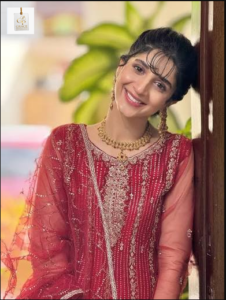
Pakistani dramas have always had a special way of bringing everyday family problems to TV. Stories about relationships, chores at home, misunderstandings, and the pressure to keep a family together often become popular because viewers see parts of their own lives in them. Jama Taqseem is one such drama that focuses on the tricky side of family relationships, and actress Marwa Hussain has been getting attention for her part in the project.
While talking about Jama Taqseem, Marwa Hussain spoke about her experience working with Talha Chahour. She also talked about a problem many people can relate to: the difficulty of surviving and keeping peace in a joint family.
Her comments have added another interesting viewpoint to a drama that deals with family dynamics and the challenges that come with living closely with others.
Marwa Hussain’s Growing Presence in Pakistani Dramas
Marwa Hussain is a Pakistani actress who slowly made her name in TV. Like many actors, she played different roles and learned how TV shows work.
Family dramas are fun for actors because the feelings are often like real life. A character might deal with jealousy, family pressure, love, disappointment, or sacrifice, sometimes all in one show.
To act these feelings well, just remembering lines isn’t enough. Facial looks, body moves, and how a character reacts to others matter a lot.
Marwa’s role in Jama Taqseem lets her be in a story where relationships are the main focus.
What Is Jama Taqseem About?
Jama Taqseem looks at the complicated things that can happen in a family. The show is about how people with different personalities and expectations can have a hard time when they have to live in the same house and make choices together.
This topic is especially important in Pakistan, where living with extended family is still a big part of life.
Living together can be good. Family members can help each other when times are tough, kids can grow up with grandparents and relatives, and everyone can share the chores.
But there’s also a downside.
When many people live under one roof, it can be hard to handle different ways of thinking. People might not always respect each other’s space, choices can get unwanted comments, and small arguments can slowly turn into big fights.
That’s what makes Jama Taqseem so emotionally engaging.
Marwa Hussain Talks About Working With Talha Chahour
Another thing that grabbed viewers’ attention is Marwa Hussain‘s experience working with Talha Chahour.
Talha Chahour is known for taking tough roles and has become a well-known face among Pakistani TV audiences. Working together on a drama about complicated relationships gives both actors many chances to explore emotional scenes.
For actors, a good work setting can make tough scenes easier to do. When actors understand their characters and talk well during rehearsals, their scenes can feel more real on screen.
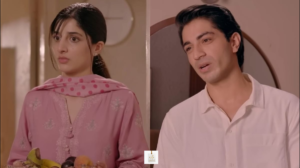
So, Marwa’s comments about working with Talha Chahour have drawn interest from viewers watching Jama Taqseem and its cast.
On-screen chemistry isn’t just about romance. In a family drama, chemistry can also mean how naturally two characters argue, support each other, misunderstand each other, or just have a conversation.
These small moments can make a drama feel more believable.
The Difficult Reality of Living in a Joint Family
Maybe the most easy-to-understand part of Marwa Hussain’s talk is her view on how hard it is to get by in a joint family.
Living with a joint family is often shown as something warm and cozy. There can be many people around, chores can be shared, and family members can help each other when needed.
But living with a big family also needs a lot of patience.
Everyone has their own ways. Everyone has different expectations. What one person thinks is a normal family rule might feel too strict to another.
This constant adjusting can become tiring, especially when people can’t talk openly.
Why Adjustment Is So Important
One big lesson from living in a joint family is learning to adjust.
When people live together, they must accept that they can’t always get their own way. Things like meal times, daily routines, and personal choices often need compromise.
The issue starts when only one person has to adjust all the time.
If one member is always expected to give in, they may start feeling angry or upset. A happy home needs everyone to understand and work together, not just one person carrying all the burden.
That’s why family dramas on TV are so popular. They show ordinary home problems as stories that make viewers think about how people relate to each other.
Privacy Can Be Hard to Find
Privacy is another problem with living in a joint family.
When many family members share a home, it can be hard to find time and space for yourself. Married couples might want alone time, young adults might want independence, and older family members might have their own routines.
Without clear rules, these differences can cause frustration.
A family doesn’t automatically become stronger just because everyone lives together. Respecting each other is just as important.
Giving people personal space, listening to their worries, and letting them make reasonable choices can help avoid unnecessary fights.
The Pressure of Family Expectations
Family expectations can make living together as a joint family tough. In many homes, people are expected to follow traditions that have been around for years.
Younger members might have different ideas about jobs, marriage, relationships, or being independent, while older relatives may prefer more traditional ways.
Neither side wants to cause problems, but these different expectations can lead to disagreements.
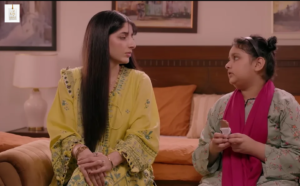
For women, the expectations at home are sometimes harder to handle. They must manage relationships with in-laws, take care of household chores, and still keep their own goals, which is a hard balance.
These real-life issues are why Jama Taqseem feels so real to its audience.
Why Pakistani Viewers Relate to Family Dramas
Pakistani family dramas still draw viewers for a simple reason: they show things people already know.
Viewers may not face the exact same situations as the characters, but the feelings are familiar.
Fights between relatives, pressure from elders, misunderstandings between couples, or tension in a household can happen in almost any family.
When these situations are shown through strong characters, viewers naturally care about the story.
Jama Taqseem uses this familiar setting to look at the harder side of family life.
Marwa Hussain’s Role in the Drama
For Marwa Hussain, being in a story about family relationships lets her explore feelings that are more quiet than loud.
A character doesn’t always need a big fight to matter. Sometimes a pause, a look, or a calm reaction says more than a long talk.
This way of acting works well in family dramas, where relationships grow through daily moments.
Her role in Jama Taqseem also gives viewers another chance to see her play a character dealing with the emotional stress of family life.
Marwa Hussain and Talha Chahour’s On-Screen Collaboration
Marwa Hussain and Talha Chahour together is another reason people watch this drama.
Both actors play characters shaped by their surroundings.
Their scenes are not just about feelings alone; they also tie into the bigger family issues. So their teamwork is a key part of the show’s overall feel.
As the story goes on, fans can expect the character relationships to stay a big reason why the audience stays hooked.
Also watch this :
Hiba Bukhari on Jaan Nisar and Her Experience Working With Danish Taimoor