Actors talk about being open, setting limits, sharing home duties, and the expectations put on husbands and wives.
By Mahnoor | 15-09-2026

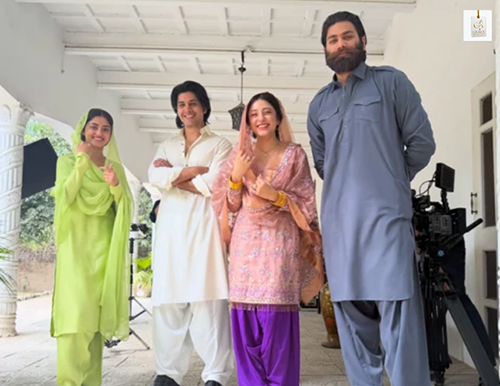
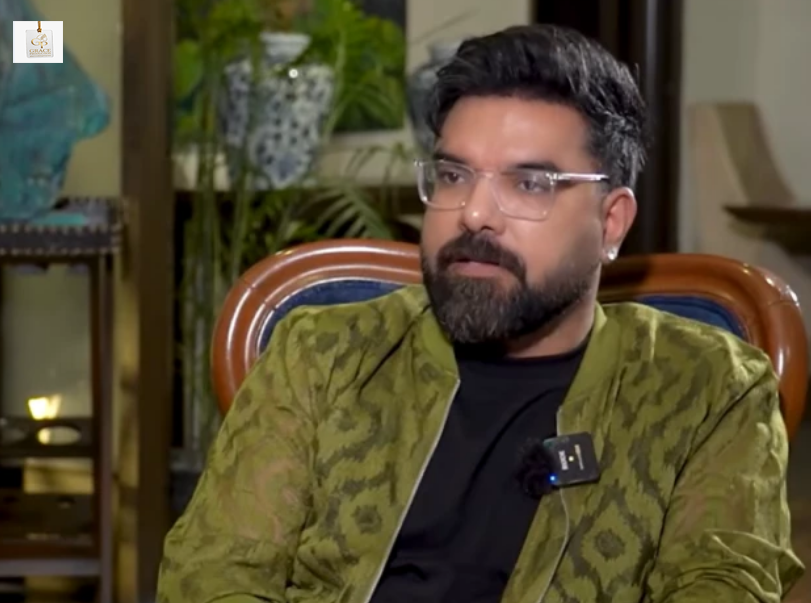
Actors Omair Rana and Sunita Marshall joined Nida Yasir’s Good Morning Pakistan show to talk about different topics. They discussed why husbands make fun of their wives in public and how meddling by extended family can slowly hurt a marriage.
The talk started with strong criticism of a habit the panel said is often brushed off as “not a big deal”: men making fun of or ignoring their wives’ opinions when other people are around. Marshall spoke clearly about the effect, saying, “It shows a basic lack of respect for one’s partner, not just playful humor.”
She pointed out that what people say and how they act are often different. A wife might be called the “honor of the house,” but she isn’t treated with that same respect in real life.
The panel said this behavior comes from a deeper belief in society that women are somehow less important than men, often learned during childhood. That way of thinking, they argued, can make men feel they have the right to treat their partners as targets for jokes instead of as equals.
Marshall and the other guests said the cycle continued mostly because women were not taught to set boundaries early. They advised dealing with this kind of behaviour as soon as it happened and clearly explaining how the “jokes” felt, instead of staying silent and letting the behaviour go unchallenged.
A common theme in the discussion was how Pakistani men are raised to hide their emotions.
The panel said boys were raised as “hunters”, taught to see feeling and softness as weakness, leaving anger and frustration as the only emotions they were allowed to show in their culture.
Rana pointed out how the entertainment industry reinforces these ideas, noting that “dramas and films often show aggressive or cruel male characters as heroes, feeding the same behaviour back into real relationships”. Breaking this cycle, the panel said, started at home, with mothers playing a key role in raising sons who can understand others’ feelings.
Answering a viewer’s letter, the panel was clear that men also had the right to be open and vulnerable with their wives, calling mutual, respectful openness “a key part of a healthy, long-term relationship”. As Marshall said, “being vulnerable means showing that you are human.”
For couples dealing with everyday problems, Rana shared a communication method he called the “Three H’s”. Before venting to a partner, he advised saying clearly whether you want them to Hear you out, Help fix the issue, or simply Hug you. He said this method “prevents a lot of needless fights by taking away the confusion about what a partner truly needs at that moment”.
This idea matched what the panel said was the true base of a lasting marriage: not a give-and-take deal, but a “give-and-give” promise where both partners actively helped each other grow.
“A good relationship is not about give and take; it’s about give and give,” they said, adding that “a husband does not own the house; both spouses are equal members of the family”.
The panel also rejected the idea that a woman’s feeling of safety should come only from a husband, brother, or father. Instead, they argued that women needed to build their own self-worth and independence.
They pointed out the unfair standard for working wives, noting that women were often discouraged from having jobs even when two incomes were necessary for the family’s finances. The guests urged men to treat a wife’s career as a “workplace” just as they treated their own.
The guests noted that the same rigid expectations could also hurt men. Many were taught that their value depended only on their ability to earn money, a pressure the panel linked to serious emotional distress when men felt they couldn’t meet that standard.
On tension with extended family, a common issue in South Asian marriages, the panel warned husbands not to turn the home into a “court” where they had to decide who was right between a mother and a wife.
“Doing so only creates bitterness and turns small disagreements into power battles. Instead, a husband should stay calm and encourage the two women to resolve issues directly, without taking sides,” they said.
The guests also urged people to see parents as humans who can make mistakes, not as flawless authority figures, arguing that this change led to more responsibility at home.
On sharing household work after having children, the panel said men were usually given a “script” to earn money but never one to care for others. Breaking that pattern, they argued, meant men truly taking charge of childcare, nighttime duties, and chores, rather than leaving them as the wife’s automatic job.
In the end, the actors wrapped up their talk by saying if you don’t respect yourself, nobody else will respect you.