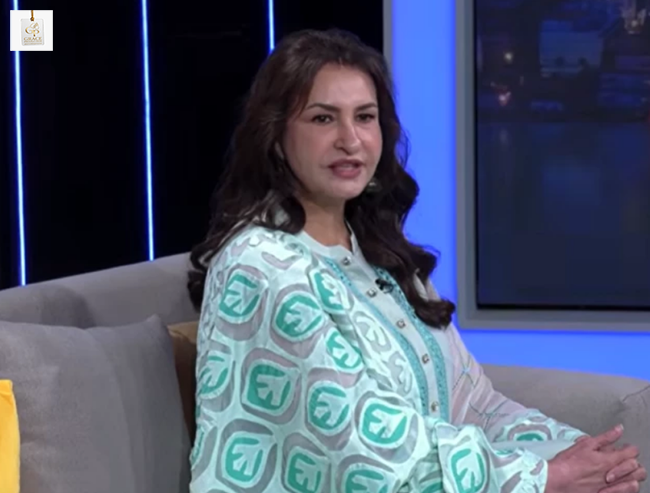
Actor asks schools, colleges, and workplaces to make mental health help easier to get.
By Mahnoor | 23-09-2026

Actor Ayesha Omar has asked for more mental health support in Pakistan after reports that a 19-year-old man was arrested in Peshawar for digging up and damaging the bodies of dead girls.
In an Instagram Story, Omar shared a report about this disturbing event and used it to point out what she called a bigger need to deal with psychological pain and emotional health across society.
“The whole nation of Pakistan needs urgent psychiatric and psychological therapy, at different levels,” she wrote, adding that she included herself because of “all the PTSD and traumas” she has gone through.
Omar also asked for mental health experts to be easier to reach in schools, colleges, and workplaces.
“I think it should be required in schools, colleges, and workplaces. We need experts coming in, instead of money help,” she said. “Give us therapy. Not dollars.”
Her comments came after police in Peshawar arrested a 19-year-old Afghan man. Police said they caught him digging up the body of a girl from a grave in the Shaikhan area. According to police, the suspect had also dug up several other graves that held girls’ bodies. Authorities said they were still investigating the case.
These disturbing reports caused concern and criticism on social media. Omar’s response shifted the focus to how violence and trauma affect people’s minds, and why it’s important to have better access to mental health care.
Omar has spoken openly before about mental health and emotional well-being. She has talked about how important it is to accept emotional weakness and to work on how we react emotionally. She has also joined talks that aim to spread awareness about mental health.
The actor has also shared her own struggles with stress and trust. She said she had dealt with overthinking and stress, and described healing as a process that never truly ends.
Her latest comments have again put mental health in the spotlight, especially the question of whether schools, colleges, and workplaces should give people more access to trained mental health experts.