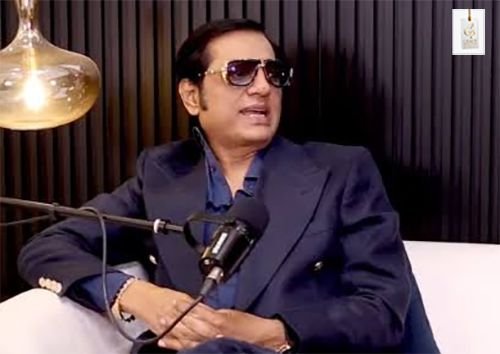
Nabeel Zafar questions heroes playing age-inappropriate roles, says Pakistan needs more comedy.

An actor explains why strong characters matter more than age, why ‘Bulbulay’ stays popular, and how television is changing.

By Mahnoor | 26-11-2026
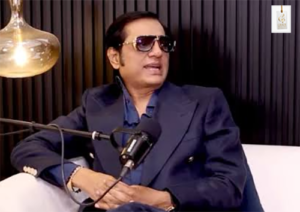
Nabeel Zafar shares his views on age-inappropriate roles for actors and the need for more comedy in Pakistani dramas.
Nabeel Zafar questions casting choices in Pakistani dramas and calls for more comedy content.

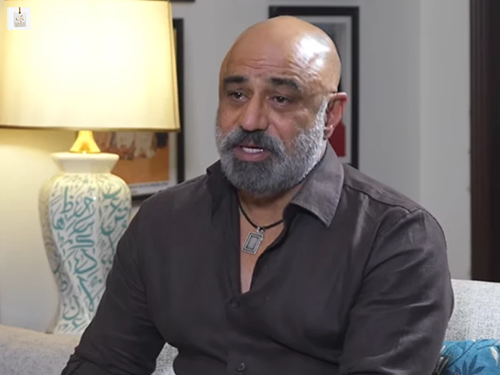
A hero doesn’t have to be young, and heroism isn’t just for adults. For actor and producer Nabeel Zafar, interesting characters can come at any age, even kids.

In a recent talk, Zafar discussed his 17 years working on Bulbulay, the value of teamwork, how the entertainment industry is shifting, and why Pakistan needs more comedy. He also talked about what makes a character or a hero on screen.

“In my view, the hero has no age,” he said, questioning common ideas about what a main character should be. He mentioned Marlon Brando’s role in The Godfather, showing that an older character can grab attention just like a younger one.

“Characters are heroes,” he said, adding that even children can play heroic roles. He brought up the film Waaris, which had multiple heroes, showing that a story doesn’t always need one main leading figure.

Zafar also asked about the kinds of roles older actors get, especially how they are often cast in similar parts without much thought given to their characters. He has been offered serious roles himself, and he explained what he looks for when choosing a project.

“I did Sher last year, but since then I am still looking for something more interesting,” he said, adding that he was fine with just acting and not handling production duties. However, he did not believe in taking on projects without a good chance or opportunity.

Looking back at Bulbulay, Zafar talked about the working relationship that kept the sitcom going for 17 years. He said that the deal between the actors and the show stayed casual, with a written agreement only between him as producer and the channel.

“It is just a contract of words, which is crazy in this generation,” he said, adding, “It means our team is that good.”

He gave credit for the show’s success to the people working behind it and the audience that kept supporting it. Even with time passing, he said, the team still put in the same effort as when the sitcom first started.

Zafar also spoke about how his personal connection with the sitcom had changed since it began, remembering what first pushed him to join the project. “I first started the show as a way to earn money, but now it has become therapy,” he said. He added that Pakistanis living abroad had told him their children learned Urdu by watching the sitcom.

The audience’s response also shaped his thinking about what entertainment should offer in a society dealing with many problems. Nabeel  Zafar made the point that comedy is an important part of the country’s entertainment scene.

“What kind of society are we in that we want to cry? We already have so much on our plate,” he said, explaining that audiences needed entertainment that gave them a break from everyday stress.

Zafar also looked back at his career, which started in the 1990s, and noted how much the industry had changed since then. His first TV jobs paid little, which was very different from what performers can earn today.

But Zafar said the change wasn’t just about money or job chances. He also questioned why actors are expected to stay constantly visible on social media, arguing that keeping some distance from the public could make an artist more appealing.

“If you gave me a choice today, I wouldn’t want to be seen on social media,” he said, pointing to Fawad Khan as an actor who stays popular even with a limited online presence.

“I used to put up posters of Al Pacino and Robert De Niro because they were rarely seen in person. Now, there’s so much access to what actors do and even what they wear online. If I had a choice, I wouldn’t want to be seen that much. Fawad Khan, for example, has a fairly small online presence but remains popular,” he said.

Moving on to Pakistani cinema, Zafar talked about what he thought was needed to make the industry more sustainable in the long run. He revealed that a film based on Bulbulay was planned back in 2012, but the project was dropped when the budget went up.

He also asked for a fairer system of pay and royalties, saying that a good setup should help everyone in filmmaking, like producers, actors, and writers. When asked about helping filmmakers with money, he explained why just giving funds wasn’t enough.

“They tried giving people Rs30m, but I think it should go by criteria to good filmmakers. I never applied because I feel with that money, you can only do so much. A good film can only be made when the business model is made, no matter how much you do,” he said.

Looking back at the sitcom’s success, Zafar was also careful not to say its long run was only because of the cast and crew’s skills. He said other things played a part, including one that he felt was beyond human effort. “I realised in the beginning that it is on Allah that Bulbulay did well, not just talent,” he said.

For Zafar, the show’s 17-year run, its strong link with viewers, and the stories he wants to tell next all point back to the importance of meaningful characters and the people who make them real.
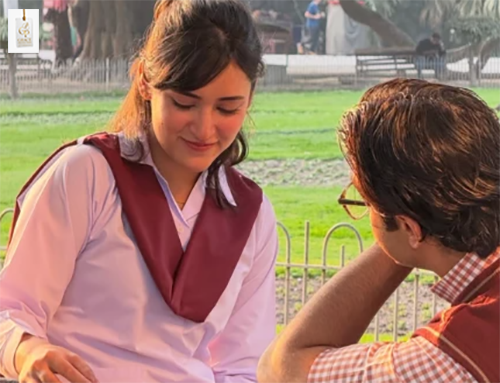
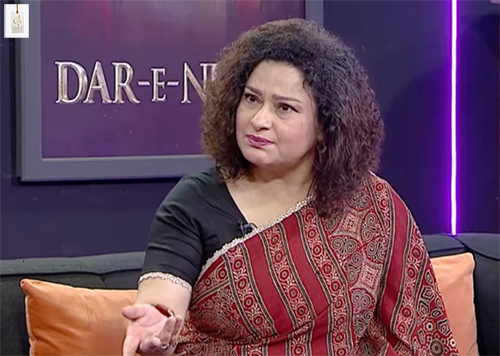
Sahar Hashmi warns about the risks young girls face, praising the ‘Dar-e-Nijaat’ team.

An actor thinks about innocence, being taken advantage of, and the duty of grown-ups to make the world safer for kids.

By Mahnoor | 26-11-2026

Sahar Hashmi discusses the safety risks young girls face while praising the Dar-e-Nijaat drama team.
Sahar Hashmi Raises Awareness About Risks Facing Young Girls and Praises Dar-e-Nijaat Team

Actor Sahar Hashmi has talked about how young girls can be at risk when they don’t know much about the dangers around them. She reflected on themes of innocence, being taken advantage of, and adult responsibility, which are explored through her character in Dar-e-Nijaat.

In a behind-the-scenes video she shared on Instagram, showing her in character, Hashmi thanked people for the praise she got for her acting and acknowledged the cast and crew who helped her during the production.

Looking back on her experience of playing the character, she started by thanking viewers for their response and the people who supported her.

“I wanted to take a moment to thank everyone for all the love and appreciation coming my way. I truly believe it takes a village to bring a story to life and bring out the best in a character,” she wrote. She also hinted at what would happen next in the show, adding: “Trust me, you’re all in for quite a ride.”

Hashmi also talked about the time period the drama tries to show, pointing out the social conditions and experiences that affected young girls back then.

“We’ve tried to capture the innocence, naivety and romance of the ’90s, a time when young girls were growing up with so little exposure, unaware of the dangers lurking around them, only to fall prey to people who took advantage of that innocence and trust,” she wrote.

Beyond the setting, the actor highlighted a bigger concern she hoped the drama would bring attention to, especially about how adults shape children’s lives.

“More than anything, I hope stories like these remind us of the responsibility we carry as adults. May we grow into the kind of adults we perhaps needed when we were younger, and create a safer, kinder world for the generations growing up after us,” she added.

Hashmi also thanked the people who helped shape her performance, especially her co-stars and the team behind the production.

She gave a special mention to her co-star Sheheryar Munawar, who plays Abu Bakar, for his support on set. She wrote: “A special shoutout to Sherry for always being the easiest and most helpful co-actor.”

She also praised director Saqib Khan, particularly for his help in developing her character. She said: “Saqib Bhai for his brilliant, thoughtful, and incredibly detailed notes — what a joy it is for a new actor to have someone who genuinely helps you grow and refine your craft.”

Ending her post, she shared her excitement for what’s coming next in the drama: “Super excited for all the upcoming episodes. Love, love and lots of love!”

Written by Umera Ahmed and directed by Saqib Khan, Dar-e-Nijaat stars Sheheryar Munawar, Durefishan Saleem, and Nameer Khan in lead roles, with Sania Saeed, Saba Hameed, Faran Tahir, Nadia Afgan, and other well-known actors.

The story follows Zaryab (Durefishan Saleem), whose life changes suddenly after her childhood love, Zamil (Nameer Khan), betrays her. She then meets Abu Bakar (Sheheryar Munawar), leading to a story about faith, relationships, forgiveness, and the choices people make.

Hashmi’s character adds another layer to the story through its past timeline. She plays the younger version of Khushbakht, also called Bela, while Sania Saeed plays the older version of the same character.

The themes in Hashmi’s post also relate to talks about other characters in the drama.

In an earlier interview, Durefishan spoke about the discussion around Zaryab’s path, while Sania Saeed talked about playing Khushbakht, focusing on hurt passed down through families, parenting, and the values shared between generations.

Sheheryar Munawar celebrates Indian love for ‘Dar-e-Nijaat’, says good storytelling knows no borders

The actor thanked fans at the Delhi watch party, saying the show’s popularity across borders shows how art brings people together.

By Mahnoor | 25-11-2026

Sheheryar Munawar praises Indian audiences for their love and appreciation of Pakistani drama Dar-e-Nijaat.
Sheheryar Munawar celebrates the growing Indian appreciation for Dar-e-Nijaat, highlighting how powerful storytelling connects audiences beyond borders.

A hit Pakistani TV show, Dar-e-Nijaat, has brought fans together across both countries, even sparking a fan-organized watch event in New Delhi. It shows how stories, romance, and shared culture can cross the India-Pakistan border.

This screening reminded people again that Pakistani shows have long been popular with Indian viewers. Familiar settings, language, family life, and emotional stories have helped these dramas win fans across the border over the years.

Actor Sheheryar Munawar recently shared an Indian news report about the fan-held screening in New Delhi. He thanked the audience across the border for their love and spoke about how storytelling can unite people.

He posted an India Today article about the event on his Instagram Stories, adding a heartfelt note on how art goes beyond geography and politics.

He wrote, “One of the most beautiful things about storytelling is that it knows no borders. A story made in one country can touch hearts in another and bring people together, no matter where they come from.”

He called the response heartwarming and thanked everyone involved in making the story happen.

The writer, director, actors, and everyone who has loved and supported this story deserve all the credit. Good art should be enjoyed by people everywhere, no matter their country, gender, or religion, his message said.

The actor spoke out as Dar-e-Nijaat kept gaining a strong fan base among Indian viewers, even though the two countries have tense political and cultural ties.

According to the India Today report, fans of the Pakistani show had gathered at a cafe in New Delhi to watch it together and talk with its director, Saqib Khan.

The event, organized by Tales of City Official with Hamza Khan, drew a lot of interest. One organizer said about 60% of the people who showed up were men, showing the show’s appeal went beyond its usual female viewers.

Much of that interest seemed to focus on Abu Bakar, the character played by Sheheryar, who has become a popular romantic lead.

His emotional depth, patience, kindness, and down-to-earth nature have connected with viewers, offering a view of masculinity that stands out from more typical romantic characters on TV.

The organizers also said that the great response they got made them think about holding another showing, possibly for the show’s final episode.

Sheheryar’s comments also matched what other Pakistani celebrities have said about the close ties between Indian and Pakistani fans, even when there are political problems.

In May 2025, actor Mahira Khan talked about Pakistani celebrities’ social media accounts being blocked in India. She said that political disagreements should not affect how regular people feel about each other.

Speaking to Independent Urdu, Mahira said she still loved her Indian fans and asked why artists are often the first to face restrictions when political tensions get worse.

She said that artists and their work help bring people together, and added that limits on creative work eventually hurt those connections.

Earlier, in January 2025, Hania Aamir called India and Pakistan “distant cousins” in an interview with CNN, pointing out how culturally similar the two countries are. She said, “We’re like distant cousins.

We’re just so similar in so many ways. It’s absolutely lovely to see that we can collaborate and are just so appreciative of each other.”

Actor Sanam Saeed also talked about the love she got from Indian audiences in an interview about her series Barzakh in July 2024.

“It’s amazing how much love comes from India, even though I’ve never been there,” she said, while admitting that political tensions had made working together across the border tough.

The talk has also moved past entertainment to cover relationships between Indians and Pakistanis.

In July 2023, Humayun Saeed spoke about cross-border relationships, saying that love and marriage shouldn’t be limited by national borders.

Humayun also shared his wish to visit India and meet up with friends and colleagues again, remembering a time when Indian TV actors appeared in Pakistani shows and creative teamwork was easier to set up.

Maybe what made the reaction to Dar-e-Nijaat so special was that its Indian fans weren’t gathering to make a political point. They came together because they liked the story, cared about its characters, and wanted to share that experience with others.

Jo Bachay Hain Sang Samait Lo Cast: Star-Studded Lineup Reveals Exciting Characters Ahead of Netflix Premiere

Fawad Khan, Mahira Khan, Iqra Aziz, Hania Aamir, and others write letters to their characters, sharing what they learned from them.

By Mahnoor | 25-11-2026

Star-studded cast of Jo Bachay Hain Sang Samait Lo introduces their characters ahead of Netflix premiere
The talented cast of Jo Bachay Hain Sang Samait Lo unveils their characters before the highly anticipated Netflix release.

Some of the country’s biggest stars posted letters on social media, giving fans a look at the characters they play in Netflix’s highly awaited Pakistani show, Jo Bachay Hain Sang Samait Lo.

From heartfelt thoughts about love and missing someone to thank-you notes and personal growth, the actors used Instagram to show who their characters are, creating more excitement for the show’s promotion.

Actor Hania Aamir was one of the first to share a very poetic message, writing a letter to her character, Kulsoom, about love, memories, and the idea of finding your way home.

“Dear Kulsoom,” she started, wishing her character a love that felt familiar but not stuck in the past. “I hope you find your way home someday,” Hania wrote to end her message.

Actor Iqra Aziz thought about her role as Lisa. She said Lisa changed how she sees relationships, love, and even herself.

“Playing Lisa felt like learning a new heartbeat,” Iqra wrote on Instagram.

She added that Lisa gently entered the calm parts of her personality, made softer what she once thought could not change, and showed her that love can exist even in small pieces.

“Mahmood, it’s finally time to let you go,” Fawad Khan wrote, introducing himself as the character.

“Living in your skin meant carrying a very quiet, very heavy kind of love,” the actor added, saying that Mahmood was “a man of deep beliefs and even deeper blind spots.”

The character, Fawad captioned his post, was “stuck between the world you were trying to build and the one that was quietly disappearing right in front of you.”

In a sweet letter to her character Rahat, Mahira Khan shared how the role became surprisingly special to her. She also said she met this character at a time when she didn’t realize how much she needed her.

Mahira added that entering Rahat’s world helped her see the light and love hidden within all of the character’s flaws. “Thank you for letting me in. I have felt all your pain…all your confusion and all your love,” she wrote.

The actress said she would always keep a part of Rahat with her.

Sanam Saeed introduced audiences to Vittoria with a similarly heartfelt note, calling her a passionate, quick-tempered, and fiery mix of two different worlds.

Thinking back on the experience, Sanam said playing Vittoria let her feel emotions beyond her own and discover parts of herself she never knew existed.

“Now, it’s time for the world to know you,” she wrote, adding that she hoped the world would be kind to her character.
In a separate message, Ahad Raza Mir kept things simple with his words for his character, Sikander.

“Dear Sikander, thank you,” the actor wrote, giving a short but interesting introduction to the character.

Hamza Ali Abbasi also thanked Shehryar, saying thanks to the character for letting him step into his world, feel his feelings, and tell his story.

“You will always be a part of me,” the actor wrote.

Other cast members also joined the character reveal.

Maya Ali said she plays Amna, a role that taught her patience, forgiveness, love, and what family really means.

“Your strength and bravery to stand up for yourself will always inspire me,” the actor wrote.

Bilal Ashraf shared that he plays Waqar in the new series, saying the role is very different from anything he has done before.

“I feel honored and thankful for this experience, the team, and the opportunity to tell your story to everyone,” the actor wrote with his post.

In the meantime, Khushhal Khan introduced his character Zain with a fun note about the character’s “dubious choices,” saying he “just made them seem believable.”

Aamina Sheikh also spoke directly to Sadia, praising her character’s strength, honesty, and lasting impact. “I honor you,” she wrote.

Based on Farhat Ishtiaq’s famous Urdu novel with the same name, Jo Bachay Hain Sang Samait Lo is directed and produced by Momina Duraid. The story follows Sikandar, a Harvard law student dealing with emotional pain, and Lisa, an artist with a complicated background. They meet in Italy, setting up a tale about love, loss, family, and recovery.

The official trailer and original soundtrack for the series will come out on November 24, before the show begins on Netflix on December 4.

Sania Saeed talks about ending generational trauma, parenting, and the choices women face in ‘Dar-e-Nijaat’.

An actor talks about how parents shape their children’s personalities, saying that values are not just passed on by what parents say.

By Mahnoor | 24-11-2026

Sania Saeed discusses generational trauma, parenting, and women's difficult choices in Dar-e-Nijaat.
Sania Saeed shares powerful thoughts on breaking generational trauma, motherhood, and women’s struggles in Dar-e-Nijaat.

Actor Sania Saeed sat down for an interview and talked about her role as Khushbakht in Dar-e-Nijaat. She discussed the drama’s complex characters and the important topics it raised. She shared her views on issues like pain passed down through families, parenting, the choices women make, and how society sees “good” men and women.

Talking about what she liked in Khushbakht, Sania said, “The character was very strong. She has faced a lot in her life, even a sickness. She lived alone and raised her child alone. She taught her son certain values that came from how she was raised. I really liked that.”

She stressed that Khushbakht’s key decision was to not pass her pain to her child. “Khushbakht’s most important idea is that she stops the cycle of passing trauma to the next generation,” Sania said.

“She thought, ‘I went through it, but my daughter-in-law will not,'” she added.

Sania said that Khushbakht chose not to pass her pain on to the next generation. She explained that Khushbakht did not want her own struggles to become the burden of those who came after her.

A big part of the talk was Sania’s view on Abubakr and how much people liked his character. She agreed that the character was a bit exaggerated, but she was careful not to call him an angel. “Abubakr is not an angel, though. We have made him seem a bit more dramatic than real life. I think he is a good, decent man, the way men should be. If you call him an angel, you lose the point that he is just a normal person,” she said.

Sania also pointed out that many women show the same good qualities as Abubakr, but they don’t get the same praise. “This character is getting popular just because he is a man. I know many women just like him. They basically wrote a story about a girl and gave it to a guy,” she noted.

She added that there is almost always a woman like Abubakr in every home. “We take good women for granted, and that doesn’t surprise us as much as a man doing something good does,” she said.

The actor also talked about how parents shape their children’s personalities. She said that values are not just taught with words, but shown through how parents behave every day.

A parent’s values are shown by what they do and how much they are around, she said.

She used the characters as examples, pointing out that Zaryab’s parents were not there for her and that affected how she grew up, while Zamil’s parents seemed not to know what he was dealing with. On the other hand, she noted, Abubakr grew up seeing his mother do social work and practice her faith.

“Being kind and giving or sharing with people became a normal part of his daily life,” Sania said.

Sania also made a difference when talking about Zaryab. Even though Zaryab may have picked up materialistic values and acted snobbish, Sania did not think that made her a bad person at heart.

“Zaryab saw her parents care about money and status. But she is not a bad person,” she said. “Maybe in how she acted she was classist, but she was never a bad woman. She was loyal to one man since she was young, and she tried to keep that, which is why she went too far. She was not all over the place,” the actor added.

During the interview, Sania also talked about how women saw their own value and successes.

She spoke about a kind of impostor syndrome in women, where they found it hard to believe they deserved what they had achieved because of how society reacted to their success. According to the actor, women would not only question their work or money achievements, but also wonder if they were good wives, mothers, friends, and sisters.

Sania connected this to Khushbakht, who, even after fighting for her choices, said she hoped her son would not end up with a woman like her.

For Sania, this showed how tough it can be for women to move on from their past. “It is very hard to let go of your past,” she said, adding that “it is always in your head that your society is not accepting you.”

Sania ended by talking about how stories need to change over time, especially in how they show women’s choices and relationships.

She pointed out that many women are often made to feel that if they make their own choices, they might be wrong. Until they fully obey, it seems they won’t be loved.

She also said, “There are smart and driven women who make mistakes and need guidance from others.” She stressed that women should be allowed to learn from their life experiences and let those shape their future decisions, instead of being judged only by whether they fit into what society expects.

Sania, one of Pakistan’s most famous actors, has worked in TV, theater, and film. She is known for her subtle acting and for taking on complex roles. She has always added depth to stories about women, relationships, and real-life social issues. Her recent projects include Aap Ki Izzat, Dil Manay Na, and Sang-e-Mah.

Mansha Pasha is back on TV with a new drama called ‘Blind Love’.

The actor will appear with Srha Asghar and Faraz Farooqui in the new show, which starts on November 25.

By Mahnoor | 24-11-2026

Mansha Pasha returns to television with her new drama Blind Love.
Mansha Pasha makes her television comeback with the upcoming drama Blind Love.

Actor Mansha Pasha is coming back to TV with a new drama called Blind Love, which will be her first regular TV appearance in a long time.

The show was announced on social media with a teaser that says: “When love becomes an obsession, trust turns into a dangerous game.”

It is directed by Babar Qayyum and written by Shaista Tariq and Ali Saeed. The cast also includes Srha Asghar and Faraz Farooqui.

The makers have kept most of the plot secret, but the promo hints at a story full of emotion, focusing on obsession, broken trust, lies, and betrayal.

This drama seems different from the usual love stories, exploring the darker side of love when it becomes too possessive.

For Pasha, this project is a chance to connect with TV viewers again through a tale about complicated relationships and hidden intentions.

The actor has made a name for herself as a versatile performer in Pakistan’s entertainment industry, with a career spanning both TV dramas and films. She first appeared on TV in a minor role in Humsafar before gaining more recognition through popular serials like Shehr-e-Zaat and Zindagi Gulzar Hai, where she played Sidra.

Her work in Mohabbat Subh Ka Sitara Hai won her the Hum Award for Best Supporting Actress, further solidifying her reputation as a promising talent in television.

Over the years, Pasha appeared in projects such as Aangan, Toh Dil Ka Kia Hua, Mera Naam Yusuf Hai, Zara aur Mehrunnisa, and Mohabbat Tujhe Alvida. She also took on a villainous role in Surkh Chandni, showing her willingness to explore characters beyond typical romantic or supporting parts.

Although Pasha has not publicly stated a specific reason for her long break from regular TV work, she has previously talked about tough times in her personal life.

In a February 2025 interview, she spoke about losing her father and her mother’s health issues, while also stressing the importance of protecting her peace and limiting her use of social media. She described the online space as increasingly harmful.

Instead of guessing why she stayed away from TV, Blind Love marks her latest confirmed television project and gives viewers a chance to see her in a new role.

Aiman Khan and Muneeb Butt honored at the British Parliament

A couple has been honored in London for their work in theater and for spreading Pakistani culture around the world.

By Mahnoor | 18-11-2026

Aiman Khan and Muneeb Butt receive recognition at the British Parliament.
Aiman Khan and Muneeb Butt honored at the British Parliament for their achievements.

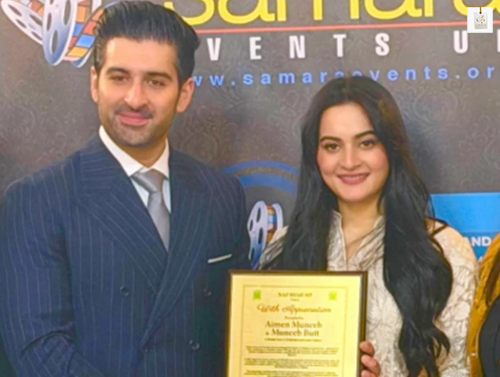
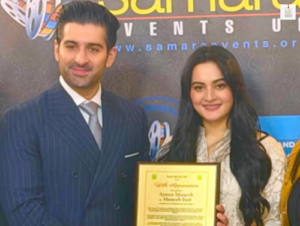
Actors Aiman Khan and Muneeb Butt were honored at the British Parliament in London for their work in drama, entertainment, and for spreading Pakistani culture around the world.

Pakistani celebrity couple Aiman Khan and Muneeb Butt have been given a special honor at the British Parliament in London. This recognition highlights their work in entertainment and their efforts to share Pakistani culture with the world. The couple’s visit made their fans proud, especially those in the UK, who gave them a warm welcome at the event.

Aiman and Muneeb are well-known in the Pakistani showbiz world and have built a strong bond with audiences through their TV shows and social media presence. Being recognized at such an important international place has added another special moment to their public journey. Both stars also shared pictures and clips from the event online, letting their followers see the best parts of the gathering.

Aiman Khan and Muneeb Butt Receive Recognition at the British Parliament

The couple was honored at the British Parliament for their work in drama, entertainment, and spreading Pakistani culture to communities around the world. This recognition shows how Pakistani artists are becoming more popular outside their home country.

Pakistani dramas now have a large audience in many parts of the world, especially among Pakistanis living abroad. Actors like Aiman Khan and Muneeb Butt are well-known to viewers who keep following their country’s entertainment industry from overseas.

The event in London was more than just a celebrity visit for the couple. It was also a chance to meet with the Pakistani community in the UK. Their presence drew attention from fans who were happy to see familiar faces from Pakistan being celebrated on an international stage.

Aiman Khan Shares Her Happiness During the Award Ceremony

Aiman Khan looked very happy while speaking at the event. She thanked everyone who came and said she felt lucky to get such recognition. The actress also talked about the love she gets from audiences in Pakistan and how special it was to feel the same love in the United Kingdom.

During her speech, Aiman said, “I am really happy and feel blessed that we are here and won this award. People love us in Pakistan, and we got the same love here in the UK.”

Her words showed how important the overseas Pakistani audience is, since they keep supporting local celebrities even though they live so far from home.

Aiman also gave special thanks to her husband, Muneeb Butt, for being part of this success. She gave him credit in her speech and called them a strong team.

“Thank you, Muneeb, we won this because of you. We are a powerful duo!” she said.

The actress’s kind words made the moment feel more personal. Instead of just talking about the award, she thanked her husband and the people who keep supporting their work.

Muneeb Butt Thanks the Pakistani Community in the UK

Muneeb Butt also said he was thankful after getting the honor. The actor looked emotional when talking about the love and support shown by the Pakistani community during their visit.

He thanked everyone who came to the event and said that the appreciation they received made the occasion even more special.

Speaking at the event, Muneeb said, “I can’t find words to say how happy and blessed I feel for the love you all have given us.”

His words showed the joy he felt when meeting fans outside Pakistan. For celebrities who spend most of their working lives in the local entertainment industry, getting appreciation from international audiences can mean a lot.

Muneeb and Aiman have both kept a strong public image, and their visit to the British Parliament gave their fans another reason to be happy.

Muneeb Butt Develops an Interest in Politics After Parliament Visit

Apart from the award ceremony, Muneeb Butt shared another interesting detail about his visit to the British Parliament. The actor revealed that the experience had increased his curiosity about politics and how political institutions work.

According to Muneeb, he had the chance to visit the Parliament and share ideas with a respected Member of Parliament. The experience seemed to encourage him to learn more about political matters.

Sharing his thoughts, he said, “We visited the parliament today, and I shared my ideas with a respected Member of Parliament. I am also becoming more interested in politics these days.”

His comments caught attention because the actor is mainly known for his work in television and entertainment. His growing interest in political discussions suggests that the visit offered him more than just the recognition ceremony.

However, Muneeb has not announced any plans to enter politics. For now, his comments simply reflect a personal interest that grew after experiencing the parliamentary environment.

A Proud Moment for Pakistani Entertainment

Aiman Khan and Muneeb Butt’s recognition at the British Parliament has also highlighted how far Pakistani entertainment reaches globally. Over time, Pakistani TV dramas have caught the interest of viewers in many countries, especially in places where many South Asian people live.

Digital platforms and social media have made it easier for Pakistanis living abroad to follow local actors, watch shows from home, and keep up with entertainment news.

Artists who represent Pakistan internationally often become well-known faces for overseas communities. Events like this are a chance to celebrate their work and show the cultural impact of Pakistani TV and entertainment.

Aiman and Muneeb’s visit also showed the strong bond between Pakistani celebrities and their fans around the world. The warm welcome from the UK community made the event even more special for the couple.

Aiman Khan and Muneeb Butt Share Special Moments Online

After the event, both celebrities shared videos and clips on social media, including parts of their speeches. Their posts gave fans a better view of the ceremony and let followers take part in their joy.

The videos also got attention because the couple openly thanked people, rather than just posting photos of the award. Their messages showed appreciation for those who came, supported them, and made them feel at home.

For their fans, watching Aiman and Muneeb get honored at an international event was definitely a thrilling moment.

Faran Tahir Reveals Powerful Parenting Lessons in Dar-e-Nijaat for Both Sons and Daughters

The actor said that the drama shows what happens in society, and pointed out how important trust and guidance are for parents.

By Mahnoor | 18-11-2026

Faran Tahir shares important parenting lessons from Dar-e-Nijaat for both sons and daughters.
Faran Tahir highlights how Dar-e-Nijaat delivers meaningful parenting lessons for raising both sons and daughters.

Actor Faran Tahir said that the message of Dar-e-Nijaat was not just about how to raise girls, but also about how parents raise, guide, and support all children, no matter if they are boys or girls.

In a recent interview with BBC Urdu, Tahir talked about the drama, how it showed parenting, and the lessons he hoped people would learn from the story. He addressed the idea that some viewers might think the show’s message was only about raising daughters. He made it clear that the discussion was really about raising children in general.

“There are some places where I hope people do not think that only girls should be raised in a different way. In the story, I have three daughters, but the message is not that girls should be treated one way and boys should be left alone,” he said.

“The discussion is about raising children. We are not saying that what Zamil did is right, and it is not only about Zaryab,” he added.

Tahir explained the balance parents need to keep. He said, “It is important to trust kids, but also to guide them. It is also important to give them structure.”

He also said that the drama showed real-life issues in society that people might not always talk about openly. He noted that viewers understood there are people who parent in a way similar to what was shown in the drama.

Faran Tahir also spoke about how Abubakr affects Zaryab, calling it a soothing influence. “From the parents’ point of view, if someone comes into her life who brings her peace and calm, maybe that’s a good thing,” he added.

However, the actor was careful not to paint Abubakr as a perfect person, noting that he, like everyone, could make both good and bad decisions. “Abubakr also has choices of his own. He is human. He tries to make good choices. He also has the ability to make bad ones,” he said.

For Tahir, the key was in understanding what kind of story was being told. “We are telling a story. There is a lesson about goodness to learn. It is not a documentary,” he said, suggesting that the drama aimed to explore human behavior and give audiences something to think about, rather than being a literal example of every situation.

Moving on to talk about how viewers reacted to his role as a father in the show, Tahir shared that one specific response made him think about certain social norms. “People really liked that I spoke respectfully to my mother in the drama, which made me ask, don’t others do that?” he said.

Beyond Dar-e-Nijaat, Tahir also discussed his new project and the personal tie he felt to literary characters from his childhood.

Looking ahead to his upcoming film Inspector Jamshed, he described the character as one of those literary creations whose absence from younger people’s reading habits disappointed him. “Inspector Jamshed is one of those literary characters that makes me sad to know that the younger generation no longer reads those stories,” he said.

Recalling his own childhood, Tahir said, “When I was young, reading the Imran series, Inspector Jamshed, and Umro Ayyar was a must, so for me, Inspector Jamshed felt like reliving part of my childhood.”

Tahir was born in Los Angeles and comes from a well-known Pakistani family involved in theatre and literature. He is the son of Naeem Tahir, a veteran actor, writer, and director, and Yasmeen Tahir, a famous radio broadcaster.

Throughout his career, Tahir has made a name for himself in theatre, TV, and film, with an international resume that includes Hollywood movies like The Jungle Book, Iron Man, Star Trek, and Elysium. His roles as Raza in Iron Man and Captain Robau in Star Trek earned him global fame.

Working on both international projects and Pakistani television, Tahir keeps bringing his expertise and theatrical style to many different kinds of roles.

‘Invite me too’: Saba Qamar laughs off marriage rumors

The actress said her job gives her almost no time to go home or sleep, as she addressed rumors about marriage.

By Mahnoor | 17-11-2026

Saba Qamar reacts humorously to marriage rumors and says, 'Invite me too.'
Saba Qamar laughs off marriage rumors with a witty ‘Invite me too’ response.

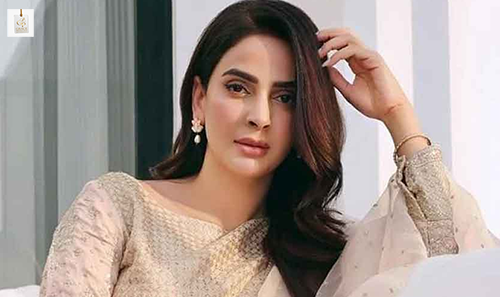
Actor Saba Qamar has put an end to rumors about her possible wedding, responding to the talk with her usual humor and asking who started the claims in the first place.

The Baaghi actor talked about the rumors on her Instagram story, posting a screenshot of the claims and making it clear that she was just as surprised by the reports.

“Honestly, I’m so busy with work that I barely have time to go home, let alone get proper sleep,” Saba wrote in her story. She added, “But okay, if the wedding is really happening, do invite me too because I haven’t gotten my own invitation yet!”

The actor’s joking response seemed to brush off the rumors, and her comment about not getting an invite to her own wedding added a funny touch to the gossip.

While rumors about celebrity relationships and weddings often spread on social media, Saba’s response gave no hint of any confirmed wedding plans. Instead, she pointed to her busy work schedule, suggesting that planning a wedding was not on her mind.

This was not the first time Saba’s personal life became a topic of public curiosity.

In March 2021, the actor made news after confirming she planned to marry Australian-Pakistani businessman Azeem Khan. This came after Khan proposed in the comments of one of her Instagram posts, and Saba replied, “I accept.”

However, that was followed by another update. In April 2021, Saba said she had called off the marriage, citing personal reasons. She also made clear that she had never met Khan in person and that they had only talked on the phone.

As a well-known actor, Saba is famous for her roles in dramas like Baaghi, Cheekh, and Dastaan.

Khushhal Khan says he didn’t push his wife Ramsha Khan off social media — it was the fans who did.

Actor says Ramsha chose to leave acting and social media on her own, because their wedding privacy was invaded in an intrusive and unethical way.

By Mahnoor | 17-11-2026

Khushhal Khan clarifies Ramsha Khan’s social media absence and fan reactions.
Khushhal Khan says fans, not him, pushed Ramsha Khan away from social media.

Do you remember when Ramsha and Khushhal Khan got married and everyone online made it their business? Well, Ramsha and Khushhal do, and apparently it’s what made Ramsha leave social media.

In an interview with Hassan Choudary on Friday, Khushhal explained that they didn’t want to hide their marriage—they just wanted to share the news in a “decent, respectful way.”

“We had decided to keep it as our private moment… It was meant to be announced at the right time, and it was.”

The actor said he announced the marriage on the same day he married Ramsha, but not before videos of the ceremony were leaked without their permission, which the bride at the time called “invasive, disrespectful, and completely unethical.”

Denying claims that he forced his wife off social media, Khushhal said, “That internet thing, she decided on her own after everything that happened and after the reaction she saw.”

I’ve had nothing to do with this whole thing. And I asked her, “Are you sure about this? Are you sure about the internet? Are you sure about the dramas?” She was like, “I want this.”

Khushhal said there wasn’t much on the internet that could hurt him because he’d been seeing it all from a very young age. The pair were, however, “baffled” by the amount of ethnically charged hate they received after the wedding.

The actor condemned the bad portrayal of the Pashtun ethnicity, calling it “wrong”.

“‘Pathans are backward’ and this and that, and whatever else. Why do you call them that? I don’t understand that… I’ve never called Punjabis or Sindhis or Balochis like that, I’ve never seen myself in that way.”

Khushhal also questioned people’s double standards: “On one hand, you all say, ‘To each their own. Everyone makes their own choices and decisions. Let them live; let them do this and that.’ But when we do that, you have a problem with it, why?”

The actor’s comments come months after a podcast from Choudary in August, where he said he had talked to Ramsha about her leaving social media and the industry around the time her sister was getting married.

Explaining why she was absent from pictures of her sister’s wedding, Choudary had said it was because Ramsha didn’t want to be on camera anymore, fearing it would affect her mental health.