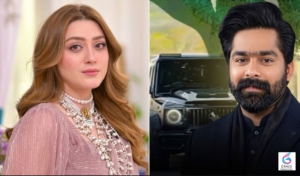
Actor unveils SYCinemagic as industry colleagues send supportive messages.
By Mahnoor | 15-09-2026
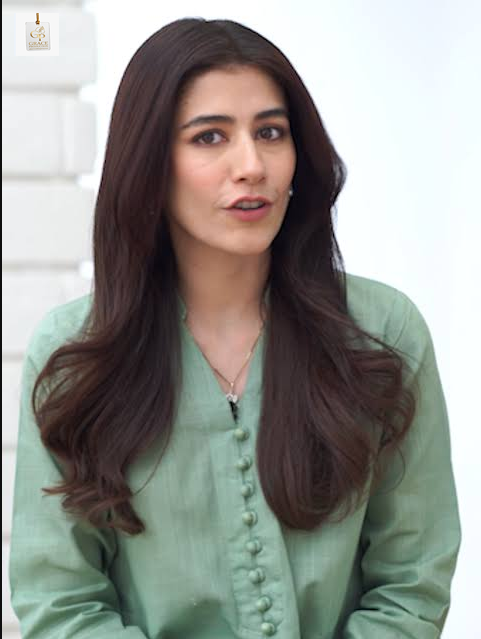
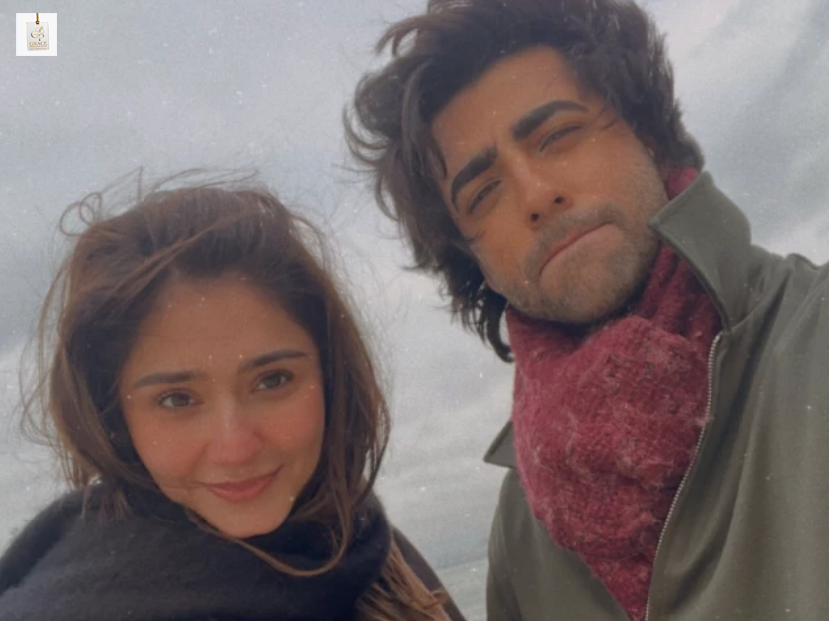
Syra Yousuf steps into film production with her first short film, Shireen.
Actor Syra Yousuf has moved behind the camera, announcing her first project as a producer with the short film *Shireen*, directed by Ali Mehdi. This announcement also introduced her new production company, SYCinemagic.
Sharing the poster on her Instagram, Syra described the project as very personal to her, calling it “close to my heart.”
She wrote, “This short film marks the beginning of something I’ve wanted to build for a while—a platform for creators and storytellers whose work deserves space to exist.” She added that there is something meaningful in helping bring someone else’s vision to life and watching all the pieces come together.
Syra’s post got a warm response from people in the industry.
Actor Adeel Husain replied with a bunch of happy emojis, and Bilal Maqsood from Strings also said congratulations.
Actors Laila Wasti and Aamina Sheikh also wished Syra good luck on her new project.
Fans shared the same feelings in the comments, leaving supportive messages for Syra’s step into production.
Syra is most well-known for her work on TV. She first appeared in Mera Naseeb in 2011, then starred in shows like Bilqees Kaur, Tanhaiyaan Naye Silsilay, and Ru Baru. Her biggest recent TV role was in the show Sinf-e-Aahan, where she played Arzoo Daniel, a Christian girl from Lahore who dreams of joining the Pakistan Military Academy.
In films, she acted in the 2023 romantic comedy Babylicious, opposite her ex-husband Shahroz Sabzwari.
With Shireen, Syra added producing to her career, which was mostly about acting before. She set up SYCinemagic as a new way to tell stories she always wanted to support.
The actor believes women should make their own decisions instead of following what others expect of them.
By Mahnoor | 15-09-2026
Romaisa Khan opens up about embracing herself and finding confidence in her own skin.
There is a certain kind of tiredness that comes from knowing that, no matter what you do, someone will always have a comment about your body. Too thin. Too fat. Too ripped. Too pale. Too dark. Too covered up. Too showing off.
For actor and content creator Romaisa Khan, the problem isn’t just about body shaming. It’s about the moving goalpost itself — the idea that women are expected to keep changing themselves to please an audience that never seems happy.
On Monday, in an Instagram story, Romaisa talked openly about her three years of weightlifting and how long it took her to feel okay with the body she had built. Her words offered a sharper point than the usual “love yourself” talk: sometimes, the best thing you can do for your health is to stop treating other people’s opinions like rules to follow.
“It’s been almost three years since I started lifting weights, and honestly, learning to love myself took way longer than building muscle did. It took me SO much time to actually feel at ease in my own skin. And the funny part is, I was never overweight,” she said.
Romaisa added that she was a healthy weight then and is still a healthy weight now, “just stronger.”
But getting stronger didn’t stop the hurtful comments. Instead, the criticism just changed form. “Why do you have so much muscle? Men don’t like muscular women. Are you on drugs or something?” are some of the comments she said she got.
For Romaisa, this judgment goes way beyond body size. “It’s not just your body,” she wrote, noting that people can find things to criticize about “the way you dress, the way you talk, maybe even the way you breathe.”
Whether someone follows a strict diet or just stays active, she said, there will always be someone ready to question that choice.
Her message to her followers was ultimately about refusing to let that criticism control how they live:
“Please, just do whatever makes YOU love yourself. Do whatever makes you feel strong, confident, and comfortable in your own skin. Trust me. If you keep living according to what people say, you’ll never win. People will always find something.”
Romaisa has previously used her platform to talk about a range of social and industry issues. She has spoken about the unfair standards for women balancing personal lives after having kids, as well as the topic of fair pay in the entertainment industry.
She has also talked about women’s education and the problems Pakistan faces, saying the answer is not just to leave the country but to work on improving it.
In these talks, Romaisa has always used her platform to question what society expects from women—whether about their bodies, jobs, personal lives, or choices.
Her newest message, though, might be the simplest one: there will always be people with opinions, but that doesn’t mean you have to follow them.
Actors talk about being open, setting limits, sharing home duties, and the expectations put on husbands and wives.
By Mahnoor | 15-09-2026
Omair Rana and Sunita Marshall share thoughtful views on the everyday habits that can put pressure on a marriage.
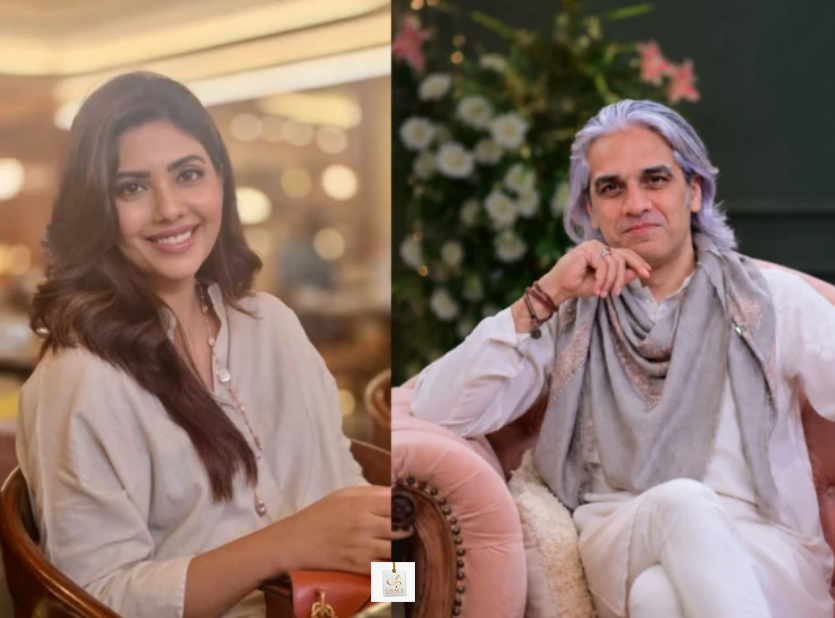
Actors Omair Rana and Sunita Marshall joined Nida Yasir’s Good Morning Pakistan show to talk about different topics. They discussed why husbands make fun of their wives in public and how meddling by extended family can slowly hurt a marriage.
The talk started with strong criticism of a habit the panel said is often brushed off as “not a big deal”: men making fun of or ignoring their wives’ opinions when other people are around. Marshall spoke clearly about the effect, saying, “It shows a basic lack of respect for one’s partner, not just playful humor.”
She pointed out that what people say and how they act are often different. A wife might be called the “honor of the house,” but she isn’t treated with that same respect in real life.
The panel said this behavior comes from a deeper belief in society that women are somehow less important than men, often learned during childhood. That way of thinking, they argued, can make men feel they have the right to treat their partners as targets for jokes instead of as equals.
Marshall and the other guests said the cycle continued mostly because women were not taught to set boundaries early. They advised dealing with this kind of behaviour as soon as it happened and clearly explaining how the “jokes” felt, instead of staying silent and letting the behaviour go unchallenged.
A common theme in the discussion was how Pakistani men are raised to hide their emotions.
The panel said boys were raised as “hunters”, taught to see feeling and softness as weakness, leaving anger and frustration as the only emotions they were allowed to show in their culture.
Rana pointed out how the entertainment industry reinforces these ideas, noting that “dramas and films often show aggressive or cruel male characters as heroes, feeding the same behaviour back into real relationships”. Breaking this cycle, the panel said, started at home, with mothers playing a key role in raising sons who can understand others’ feelings.
Answering a viewer’s letter, the panel was clear that men also had the right to be open and vulnerable with their wives, calling mutual, respectful openness “a key part of a healthy, long-term relationship”. As Marshall said, “being vulnerable means showing that you are human.”
For couples dealing with everyday problems, Rana shared a communication method he called the “Three H’s”. Before venting to a partner, he advised saying clearly whether you want them to Hear you out, Help fix the issue, or simply Hug you. He said this method “prevents a lot of needless fights by taking away the confusion about what a partner truly needs at that moment”.
This idea matched what the panel said was the true base of a lasting marriage: not a give-and-take deal, but a “give-and-give” promise where both partners actively helped each other grow.
“A good relationship is not about give and take; it’s about give and give,” they said, adding that “a husband does not own the house; both spouses are equal members of the family”.
The panel also rejected the idea that a woman’s feeling of safety should come only from a husband, brother, or father. Instead, they argued that women needed to build their own self-worth and independence.
They pointed out the unfair standard for working wives, noting that women were often discouraged from having jobs even when two incomes were necessary for the family’s finances. The guests urged men to treat a wife’s career as a “workplace” just as they treated their own.
The guests noted that the same rigid expectations could also hurt men. Many were taught that their value depended only on their ability to earn money, a pressure the panel linked to serious emotional distress when men felt they couldn’t meet that standard.
On tension with extended family, a common issue in South Asian marriages, the panel warned husbands not to turn the home into a “court” where they had to decide who was right between a mother and a wife.
“Doing so only creates bitterness and turns small disagreements into power battles. Instead, a husband should stay calm and encourage the two women to resolve issues directly, without taking sides,” they said.
The guests also urged people to see parents as humans who can make mistakes, not as flawless authority figures, arguing that this change led to more responsibility at home.
On sharing household work after having children, the panel said men were usually given a “script” to earn money but never one to care for others. Breaking that pattern, they argued, meant men truly taking charge of childcare, nighttime duties, and chores, rather than leaving them as the wife’s automatic job.
In the end, the actors wrapped up their talk by saying if you don’t respect yourself, nobody else will respect you.
Actor thinks about the wrong things his character did in the show, tells men to treat women with respect.
By Mahnoor | 14-09-2026
Nameer Khan speaks out about Zamil’s behavior in Dar-e-Nijat.
Actor Nameer Khan, who plays Zamil in the popular show Dar-e-Nijat, has used his character’s difficult story to stress how important it is for men to treat women with respect and own up to their actions.
After the latest episode, Khan went on Instagram to think about where Zamil went wrong and to point out behavior he said he has seen in real life. “Zamil is Zalim,” he wrote, adding a red flag emoji.
Khan explained that beyond the drama’s story, he wanted to talk about how some men treat women badly.
“While growing up, I saw boys disrespect girls, get into relationships, play with their feelings, and then feel proud about it, while their friends encourage them,” Khan said.
He made these comments after the latest episode, where Dur-e-Fishan’s character, Zaryab, was betrayed by her long-time fiancé.
After being together for years, Zamil decided he wanted someone more religious and secretly married another woman in Pakistan.
Reflecting on the story, Khan gave a direct message to men.
My message to all the boys: stop this nonsense! Your wish to be seen as a hero or a player can turn into pain for someone else. Hurting a girl and destroying her trust is not something to be proud of,” he wrote.
He ended his message with three short reminders: “Be respectful. Be honest. Be a better man.”
Khan’s post got praise from fans, who liked how the actor’s own words stood in contrast to the bad sides of his character on screen.
A fan said the message “was better than Zamil,” calling it a reminder that “character, accountability, and respect matter far beyond the screen.” They added that turning a character’s flaws into a real talk about how men should treat women was powerful.
Other fans reacted to Khan’s post in the comments too. One wrote, “Zamil, you nailed the caption,” while another joked, “Zamil in a parallel universe.”
Another viewer said that “this drama triggers the wounds of many,” showing how the story touches people emotionally.
As Dar-e-Nijat entered its second half, the relationship between Zamil and Zaryab hit a big turning point. The latest episodes show the results of Zamil’s choices. In the same way, Khan’s post used the character’s mistakes to start a bigger talk about relationships, trust, and taking responsibility.
A TV host talks about being judged for her faith and lifestyle choices, questioning why women always have to prove themselves.
By Mahnoor | 14-09-2026
Anoushey Ashraf discusses the exhausting pressure women face when their “Muslimness” is constantly questioned.
TV host Anoushey Ashraf has opened up about how Muslim women often face unfair judgment for the simplest things in life.
She posted a bunch of photos on Instagram, starting with a direct note: “Hey, fellow Muslim liberal girl. Can we talk about stuff that tires me out?” In her caption, she said, “Right now (and most of the time), I’m getting critiqued from both sides. I’m sure I’m not the only one dealing with this?”
The post showed her outfits along with the questions and criticism she said she faced—like whether she ate halal food, why she had dogs, and if she prayed. The main point was simple: “Too Muslim for some. Not Muslim enough for others.”
She wrote, “I have to prove I’m Muslim enough to strict Muslims and not Muslim enough to non-Muslims. I have to explain my beliefs to some people and my clothes to others. A skirt? That’s radical to some. Praying regularly? That’s radical to others.”
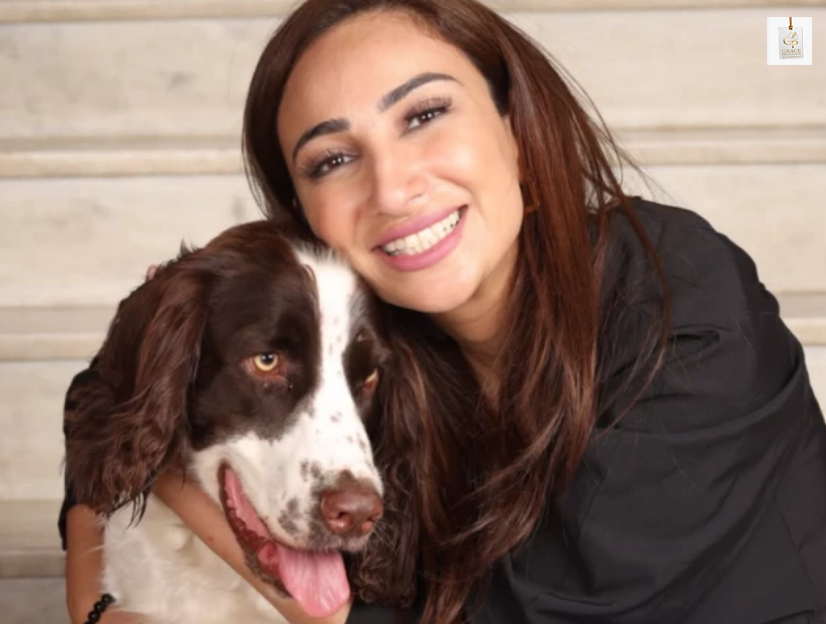
Anoushey then joked about the conflict: “Meanwhile, I’m just trying to hug a dog.” She asked, “And honestly? Can a woman just be a woman without everyone checking up on her?”
She ended the post by telling those trying to label her faith: “To everyone trying to figure out what kind of Muslim I am: I’m Muslim enough for me.”
She also asked her followers, “How’s everyone else handling the Muslimness check?”
Her post struck a chord with many fans and fellow celebrities, with stars like Syra Yousuf showing their support in the comments.
Others called the message relatable and joined the talk on handling faith, identity, and personal choices.
Fans also talked about what it means to be a “liberal Muslim” and the pressure to fit into clear religious categories. One follower wrote, “Girl, you’re real and true to yourself. That’s why they’re confused!”
Another asked why these labels exist at all, commenting, “Why do we even need to call someone a ‘liberal Muslim’ or ‘conservative Muslim’ when Allah didn’t define us with these labels?”
Others stressed that faith is a personal thing, saying that a person’s relationship with religion is ultimately between them and their Creator.
“Only between you and your God,” one person wrote, while another said, “I strongly believe that religion is something very personal.” Another follower simply added, “People need to calm down and let women live.”
Anoushey’s post has sparked a bigger talk about what people expect from Muslim women and how they often judge their faith based on how they look, how they live, or the choices they make. At its core, her message was about being free to follow faith in a way that feels true to yourself, without always having to prove where she stands.
The actor shared the personal news with a photo of her holding her baby bump.
By Mahnoor | 14-09-2026
Actor celebrates her pregnancy announcement with a beautiful baby bump photo.
Mahira Khan has shared the news that she is expecting her second baby at 41 years old. She told her fans this exciting update while walking the red carpet for the first time at the Toronto International Film Festival (TIFF). On Instagram, she posted photos of herself in a flowing white dress, gently holding her baby bump.
For the occasion, she wore a deep burgundy and green saree by Aafrinish by Niazi, adding another memorable fashion moment to her look.
The label’s collections feature hand-embroidered sarees and traditional techniques like Kashidakari, Pita Tila, Mukesh, and Cutdana work. The couple married in a small ceremony in Bhurban in October 2023.
Along with the pictures, she wrote, “We make plans and then there are Allah’s plans.”
The announcement brought a flood of love and congratulations from fans, friends, and fellow stars, with several big names from Pakistan’s entertainment world cheering the news in the comments.
Among those who sent their good wishes were Sajal Aly, Dananeer Mobeen, Saboor Aly, Maheen Siddiqui, Bilal Ashraf, Aiman Khan, Hina Afridi, Sadaf Kanwal, Fiza Ali, and others.
Mahira is getting ready for her second baby while also reaching new heights in her career.
Right now, she is about to act in the new action movie Mitti De Baway with Wahaj Ali.
Her last film, Aag Lagey Basti Mein, came out earlier this year on Eid ul-Fitr.
Choreographers Farah Khan and Bosco Martis look back at the actor’s early struggles and her breakthrough
By Mahnoor | 12-09-2026
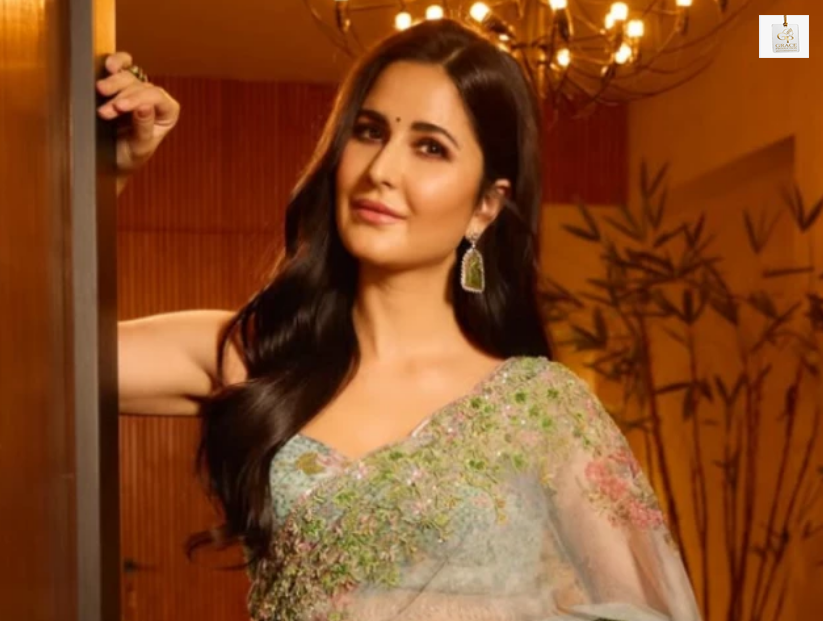
Katrina Kaif’s rise to becoming one of Bollywood’s most celebrated dance stars
Katrina Kaif has become one of Bollywood’s most famous dancers over time, but choreographer Bosco Martis says she was once told she couldn’t dance at all.
On a podcast hosted by Bosco and Caesar, the two choreographers talked about Katrina’s early days and how she grew into a performer known for some of Hindi cinema’s biggest dance songs.
Bosco shared a story from the start of Katrina’s career when a choreographer rejected her dancing completely despite her hard work.
“She worked very hard, but a choreographer told Katrina, ‘You are zero in dance, so you should quit,'” Bosco said.
He thought that harsh comment might have pushed Katrina to work even harder and prove her doubters wrong. Fellow choreographer Farah Khan, reacting to the story, said she didn’t believe Katrina had truly started from nothing. “Oh, poor thing! She wouldn’t have stayed at zero. She must have been a four or five,” she said.
Farah pointed to Sheila Ki Jawaani as the turning point for Katrina as a dancer. “After Sheila Ki Jawaani, she became a nine or 10,” she said, adding that Katrina went on to headline dance hits like Chikni Chameli and Kala Chashma. Bosco called the song a “game changer” for the actress.
She also remembered that when she first worked with Katrina on the song Just Chill from the movie Maine Pyaar Kyun Kiya, people didn’t yet see the actor as a dancer to watch closely.
Earlier, Katrina has talked about being told she couldn’t dance, and she said that kind of criticism made her doubt if she would ever get good at it. She has said that Bosco helped her at that time by telling her she could dance, but she just needed to keep practicing her skill, and that encouragement helped change how she approached dancing.
After that, Bosco and Caesar choreographed her for the song Touch Me from the film Race.
Later in her career, Katrina was part of many of Bollywood’s most famous dance numbers, like Kamli, Swag Se Swagat, Afghan Jalebi, and Nachde Ne Saare, plus Chikni Chameli and Kala Chashma.
Her last movie appearance was in Merry Christmas in 2024, and since then she has taken a break from films to focus on being a mother.
Actors express gratitude to their fellow cast members and creators while viewers voice their frustration over what happened to Torsam and Gul Meher.
By Mahnoor | 12-09-2026
Usman Javed and Meheremaan Khan bid farewell to Zanjeerain
The on-screen pair Usman Javed and Meheremaan Khan, who played Torsam Khan and Gul Meher, have said goodbye to Zanjeerain as the show has ended.
The couple shared a joint post on Instagram, looking back on their time together, which was full of memorable moments and friendships with their fellow actors. They also thanked the show’s main stars, Sajal Aly and Daniyal Zafar, for their positive vibe, kindness, and support during the project.
“And just like that, the journey of Zanjeerain comes to a close. What a lovely journey it has been, packed with unforgettable memories, great co-stars, amazing people, and a lot of hard work. Most of all, I’m taking away some wonderful friendships, many lessons, and memories I will always treasure. I’m thankful for your love and support,” they wrote.
Javed also shared personal messages for the drama’s main actors, praising their professionalism and the joy of working with them.
“Sajal Aly, you have been such a wonderful co-star and an amazing actor. Working with someone as skilled, committed, and elegant as you was a real pleasure,” he wrote. He added, “Daniyal, your energy, your optimism, and your attitude during the whole journey were truly inspiring.”
He also posted a sweet note for his co-star Meheremaan, saying, “And Gul Meher, Meheremaan Khan, I’m really happy that our time together gave us memories and a friendship that I will always hold dear. I truly hope and pray that, God willing, you do amazing things and make great achievements in the years to come. You have so much ahead of you, and I can’t wait to see you succeed.”
The actor also thanked the people who made the drama, Momina Duraid and Shahzad Kashmiri, for their support and advice.
“Momina Bhabi, thank you for always trusting me and having faith in me,” he wrote.
“Shahzad Bhai, this journey wouldn’t have been the same without you. You are not just a great director, but also a wonderful older brother and one of the most humble people I’ve ever worked with.” “Until the next one,” he finished.
The ending of Zanjeerain also made many fans emotional, especially about what happened to Gul Meher and Torsam, whose relationship didn’t end with them together. Several viewers said the ending felt unfinished and wished they could see more of this loved on-screen couple.
As Zanjeerain came to an end, Usman Javed and Meheremaan Khan said goodbye, making fans feel nostalgic about the story of Torsam and Gul Meher.
Viewers liked the show’s writing, plot, and acting, but many hoped for a happier ending for the loved on-screen couple.
Still, their sincere messages gave a proper farewell to the characters, co-stars, and memories that made the journey special.
The actor speaks about male privilege, supports Iqra Aziz, learns to move beyond patriarchal views, and practices modern parenting.
By Mahnoor | 12-09-2026
Yasir Hussain says being called Iqra Aziz’s husband is a matter of pride, not insecurity.
Actor, director, and playwright Yasir Hussain recently sat down with Iffat Omar for a chat. They talked about many things, including his marriage to Iqra Aziz and the unhealthy sense of entitlement he believed was causing violence against women in the country.
Known for his sharp wit and blunt talk, Hussain directly addressed the common joke people make about him being called “Iqra’s husband.” He pushed back on the idea that being less famous than his wife should hurt his pride.
He took the title proudly, not with insecurity: “If someone calls me ‘Iqra’s husband,’ why should that hurt my ego? She is a hugely successful artist, loved by millions. Being linked to her success is a point of pride, not shame.” He also said that anyone who can’t laugh at themselves has no right to joke about the world. He called “self-deprecation the first real step toward genuine humour.”
The talk got more serious when Hussain talked about recent cases of gender-based violence in Pakistan. He said these problems start with how boys are raised—they grow up thinking a woman’s “no” is an insult, not an answer.
He was direct about who is to blame: “Boys in our society are brought up to believe they are better than girls.” He added, “Staying silent makes people part of the problem, and society needs to bring up men who understand consent and personal boundaries.”
Hussain said these violent acts are not separate events but come from a deep sense of entitlement taught at home. “We spend too much time arguing about what is ‘right’ or ‘wrong’ for a woman, based on rules made by men. Basic human rights, education, freedom to choose, and safety are not up for debate. They are not optional.”
Reflecting on his own change, he said, “Growing means actively unlearning the old-fashioned beliefs about men and women that we pick up as we get older. If someone’s views on big topics haven’t changed in ten years, they haven’t grown—they’ve just got older.”
He also talked about the difference between online anger and true responsibility, saying, “Getting pressured on social media is the least that can happen; real change happens inside a person.” He pointed to a larger lowering of moral and religious standards. He added, “When a society keeps quiet or protects those who do wrong, it’s rotting. Blame should be quick and total, no matter who’s involved.”
Then, talking about the generation gap, Hussain praised Gen Z for calling people out as it happens. He argued that behavior once thought of as harmless jokes was no longer okay, and that adjusting to these new standards was now mandatory.
In his craft, he complained, “People increasingly confuse satire and criticism with online hostility,” and he defended theatre as a disciplined, uncensored space that television often avoided.
When asked about raising his son Kabir with Iqra Aziz, he said parenting started with example rather than instruction: “Since children pick up on behavior rather than lectures, it is crucial to live by a set of values at home before teaching them to the next generation.”
Lahore Court Extends Interim Bail for PML-N MPA Saqib Chadhar and Wife in Momina Iqbal Harassment Case
BY Mahnoor | 03-07-2026
Lahore court extends interim bail for Saqib Chadhar and his wife until July 13 in the Momina Iqbal cyber harassment case.
The legal case involving actress Momina Iqbal and Pakistan Muslim League-Nawaz (PML-N) lawmaker Saqib Chadhar continues to move through the courts, with a Lahore court extending the interim bail of the politician and his wife, Samaira, until July 13.
The case has attracted widespread public attention because it involves serious allegations of online harassment, cyberstalking, blackmail, and criminal intimidation. The investigation is being conducted by the National Cyber Crime Investigation Agency (NCCIA) following a complaint submitted by the actress.
Court Extends Interim Bail
During a hearing held in Lahore, Judge Nusrat Ali Siddiqui granted an extension of temporary bail to both Saqib Chadhar and his wife until July 13. The court also instructed the accused to continue cooperating with investigators while the inquiry remains underway.
The judge reviewed the progress of the investigation after hearing arguments from both sides. Investigators informed the court that additional time was required to collect and examine digital evidence connected to the case.
As a result, the court decided to continue the interim protection from arrest while directing investigators to complete their work and present further developments at the next hearing.
Investigation Faces Delays
One of the key issues discussed during the hearing was the level of cooperation from the accused.
According to the investigating officer, Samaira has not yet fully complied with repeated court directions requiring her to participate in the investigation. The officer told the court that despite multiple opportunities, she has failed to join the inquiry as instructed.
Investigators also informed the judge that forensic examinations of the suspects’ mobile phones are currently underway. Officials believe the devices may contain digital evidence that could help determine whether online threats, fake accounts, or edited images were linked to the accused.
Because digital forensic analysis often takes time, investigators requested additional time to complete the process before submitting a comprehensive report.
The court accepted the request and scheduled the next hearing for July 13, when investigators are expected to provide an update on the progress of the case.
Earlier Bail Order
This is not the first time the court has granted temporary relief to the accused.
On June 5, a Lahore court initially approved interim bail for Saqib Chadhar, protecting him from arrest until June 24. As the investigation continued and authorities sought more time to gather evidence, the court later extended the relief, which has now been pushed to July 13.
Lahore court extends interim bail in the Momina Iqbal cyber harassment case.
The extension does not end the investigation or determine guilt. Instead, it allows the legal process to continue while investigators collect evidence and present their findings before the court.
How the Dispute Became Public
The controversy first gained public attention on May 20, when actress Momina Iqbal shared an emotional message on social media.
In her post, she revealed that she had been facing online harassment, abusive messages, and repeated death threats for a long period. She explained that the ongoing campaign had caused serious emotional stress not only for her but also for her family members.
Although she did not initially identify the individual involved, she stated that a politician associated with the PML-N had allegedly been threatening her. She further claimed that she had approached the authorities several times but received little response.
The actress appealed directly to Punjab Chief Minister Maryam Nawaz, requesting her intervention and expressing hope that justice would be served regardless of political influence.
Formal Complaint Filed
A few days after her public statement, Momina officially filed a complaint with Lahore police against Saqib Chadhar and several alleged associates.
Her complaint included accusations of cyber harassment, criminal intimidation, blackmail, spreading false information, and deliberately attempting to damage her personal life and upcoming marriage.
According to the police report, the alleged harassment began after the actress rejected Chadhar’s marriage proposal and ended communication with him in 2022.
She claimed that the suspect continued contacting and threatening her even after she refused his advances.
Allegations of Threats and Cyber Harassment
The First Information Report (FIR) filed at Chung Police Station contains several serious allegations.
According to the complaint, the suspect allegedly used repeated phone calls, WhatsApp messages, anonymous social media profiles, and AI-generated images in an attempt to intimidate and defame the actress.
Lahore Court Extends Interim Bail in Momina Iqbal Cyber Harassment Case
Momina claimed that the campaign was designed to damage her reputation before her wedding and place psychological pressure on her and her family.
The complaint further alleges that she received repeated death threats after refusing the marriage proposal. One message cited in the police report allegedly warned that if she continued to reject the suspect, she would disappear without a trace.
Investigators are now examining electronic devices and digital records to determine whether these communications can be linked to the accused.
Meeting at Pearl Continental Hotel
The actress also described an incident that allegedly occurred in December 2024 at Lahore’s Pearl Continental Hotel.
According to her complaint, she met the suspect during that period, where he allegedly repeated threats regarding her future marriage.
She claimed that she was warned she would face serious consequences if she decided to marry another person.
These allegations form part of the broader investigation into whether criminal intimidation and harassment took place over an extended period.
Harassment Continued After Engagement
Momina stated that the situation became even more serious after news of her engagement.
According to her complaint, unknown individuals allegedly began sending AI-edited and inappropriate images to her WhatsApp account in an effort to blackmail her and create misunderstandings before her marriage.
She further claimed that similar material was sent to her sister, while threatening phone calls were made to members of her fiancé’s family.
The actress also alleged that her fiancé, who lives in Karachi, received repeated threatening calls and online messages from unknown numbers and social media accounts that she believes were connected to the accused.
Investigators are reviewing these allegations as part of the ongoing cybercrime inquiry.
Allegations of Political Influence
In her application, Momina accused the lawmaker of attempting to use his political position and influence to prevent action on her earlier complaints.
July 13 set for the next hearing in Momina Iqbal’s case.
She claimed that despite repeatedly informing authorities about the alleged harassment, no meaningful action was taken for an extended period.
The actress requested that criminal proceedings be initiated against Saqib Chadhar, his wife, and anyone found to have assisted them. She also sought police protection for herself and her family while the investigation continues.
Chief Minister Maryam Nawaz Responds
Following the actress’s public appeal, Punjab Chief Minister Maryam Nawaz responded to the matter.
She described the dispute between the PML-N lawmaker and the actress as a personal legal issue rather than a political one.
At the same time, the chief minister assured the public that the case would be handled according to the law without discrimination.
She also emphasized that anyone found guilty of using threats, blackmail, or private material to pressure another individual would face strict legal consequences.
Investigation Continues
The case remains under active investigation, and no final conclusions have been reached by the court.
Authorities continue to analyze digital evidence, including mobile phones, electronic communications, and online accounts that may be relevant to the allegations.
The next hearing on July 13 is expected to provide further updates on the progress of the investigation, including whether the accused have fully cooperated with investigators and what evidence has been collected.
Until then, the interim bail granted to Saqib Chadhar and his wife remains in effect,while the legal process continues under the supervision of the Lahore court.